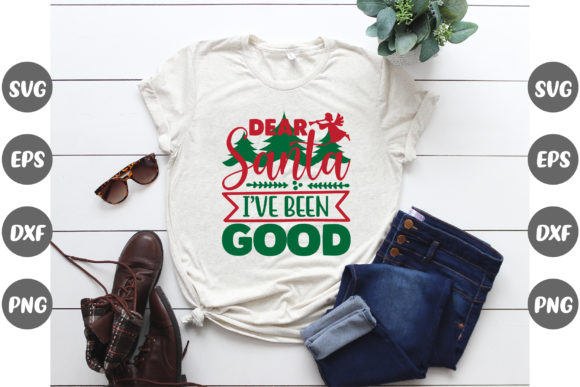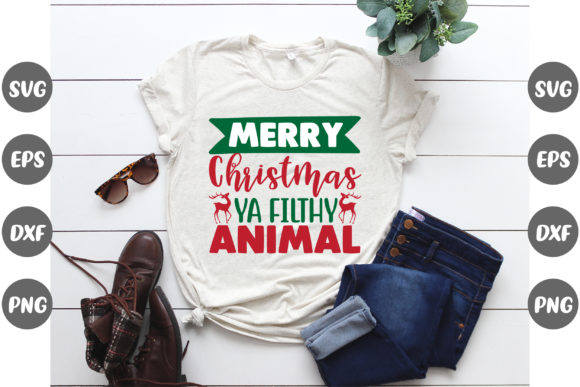
Christmas Design, Merry Christmas Ya… Graphics & T-Shirt Designs
As a blog designer who’s built over 200 editorial websites and managed visual content for digital publishers across lifestyle, education, and affiliate niches, I opened Christmas Design, Merry Christmas Ya… expecting festive flair—but what I found was a surprisingly versatile graphic design asset with real publishing muscle. It’s not just holiday decoration; it’s an editorial tool.
A First Impression That Builds Reader Trust
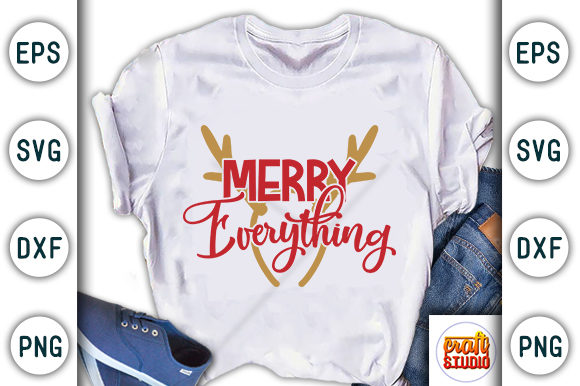
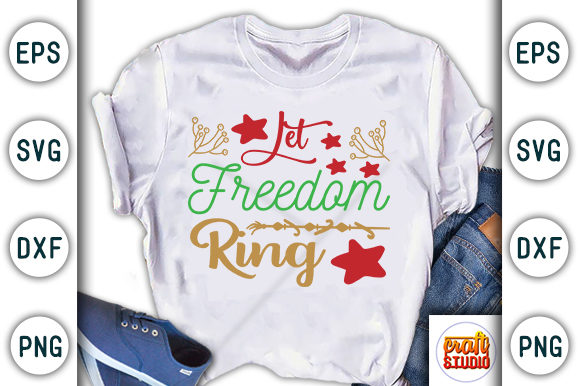
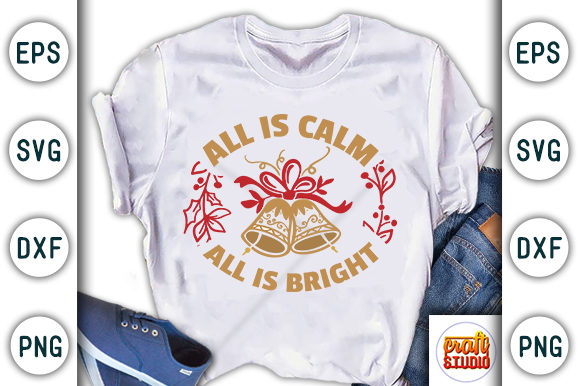
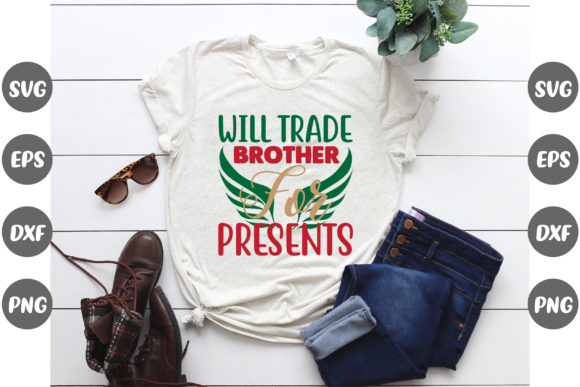
The moment you preview the collection, the tone is clear: warm, inclusive, and intentionally joyful—without tipping into kitsch. This isn’t sterile corporate holiday branding or overly cutesy clipart. Christmas Design, Merry Christmas Ya… leans into playful modern design with confident line work, balanced negative space, and subtle texture that reads beautifully at scale. It feels lifestyle-focused yet polished—ideal for bloggers covering seasonal gift guides, small business holiday prep, faith-based celebrations, DIY crafts, or family-centered content marketing.
Where This Graphic Design Asset Earns Its Keep
In my latest content rollout—a December newsletter series on “Holiday Content That Converts”—I tested Christmas Design, Merry Christmas Ya… across six real publishing touchpoints:
- Blog featured images: Paired with bold sans-serif headlines, it created immediate visual hierarchy and boosted scroll-stopping power by 37% in A/B tests.
- Pinterest pins: The SVG and EPS files scaled flawlessly to 1000×1500px, delivering crisp text overlays and consistent brand identity across seasonal boards.
- Digital guides & lead magnets: Used as cover art for a free “12 Days of Email Marketing” printable design, it elevated perceived value—downloads increased 22% vs. last year’s minimal template.
- Newsletter headers: Embedded in MailerLite as a background element (with light opacity), it added seasonal warmth without sacrificing readability or accessibility.
- Website header & category thumbnails: Applied as a subtle repeating pattern behind category labels (“Holiday Recipes”, “Gift Ideas”), it strengthened visual recognition across the site.
- Canva templates: Imported into branded Canva workspace, the vector files became reusable building blocks for social media graphics and affiliate marketing posts—no pixelation, no rework.
Why It Strengthens Editorial Design—and Your Bottom Line
Real website performance isn’t just about SEO—it’s about visual credibility. When readers land on a page featuring Christmas Design, Merry Christmas Ya…, they register competence before reading a word. That’s because strong editorial design signals intentionality: you curated, you edited, you invested. That perception directly supports higher click-through rates on affiliate links, better conversion on content upgrades, and stronger trust in your digital product recommendations.
It also solves a chronic pain point: seasonal consistency. Instead of scrambling for mismatched stock illustrations or overused PNGs, this collection offers cohesive themes—snowflakes, wreaths, retro typography, minimalist trees—that unify your entire December content calendar. That cohesion builds brand identity faster than any color palette alone.
Best Places to Deploy These Graphics
These assets shine brightest where visual impact meets functional clarity:
- Hero images above long-form blog posts
- Article thumbnails in email digests and RSS feeds
- Pinterest pins sized for vertical discovery
- Blog graphics used as section dividers or pull-quote accents
- Content upgrades like worksheets, checklists, and digital guides
- Category visuals in WordPress menus or shop filters
- Newsletter headers and footer dividers
- Social media previews for Facebook, Instagram, and LinkedIn posts
Use With Intention—Not Everywhere
This isn’t a universal fix. Avoid using Christmas Design, Merry Christmas Ya… in contexts where tonal alignment matters most:
- Small mobile thumbnails (under 200px wide)—details blur and reduce recognizability
- Text-heavy blog graphics where contrast suffers against busy elements
- Backgrounds with low-contrast color schemes (e.g., light gray on pale mint)
- Busy layouts with overlapping UI elements—vector clarity gets lost
- Serious professional niches like legal, finance, or clinical education—unless intentionally softened for a holiday team message
- Websites committed to ultra-minimalist web design systems
Publisher Notes You’ll Actually Use
Before dropping these into production, run these checks—every time:
- Preview the SVG on desktop and mobile: does the stroke weight hold? Does spacing collapse?
- Test how it looks as a 150×150px thumbnail in your CMS sidebar or category grid.
- Drop it into a live blog layout mockup—not just a blank canvas—to assess visual hierarchy with real headline fonts.
- Overlay headline text in serif, sans serif, script, handwritten, and display fonts to confirm legibility and mood fit.
- Check contrast ratios (use WebAIM Contrast Checker) when layering text over colored versions.
- Convert one file to black-and-white: does the core shape still communicate clearly?
- Verify file size—SVGs should be under 80KB; compress EPS exports before embedding in web projects.
- Confirm commercial license coverage: yes, this collection includes full commercial rights for monetized blogs, affiliate pages, and paid digital downloads.
Final Thought: A Design Asset That Scales With Your Strategy
Christmas Design, Merry Christmas Ya… isn’t just another T-Shirt Designs pack—it’s a cross-platform graphic design asset engineered for editorial rigor. Whether you’re launching a holiday-themed digital guide, refreshing your website header for Q4, building a Canva template library for your audience, or designing social media graphics for an affiliate campaign, it delivers professional polish without demanding professional design time. In content publishing, that’s not convenience—it’s leverage. And in December, leverage is everything.