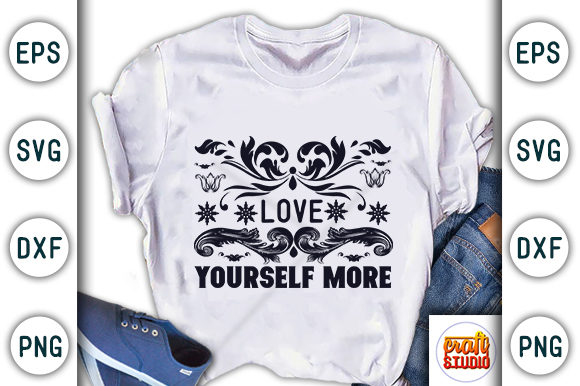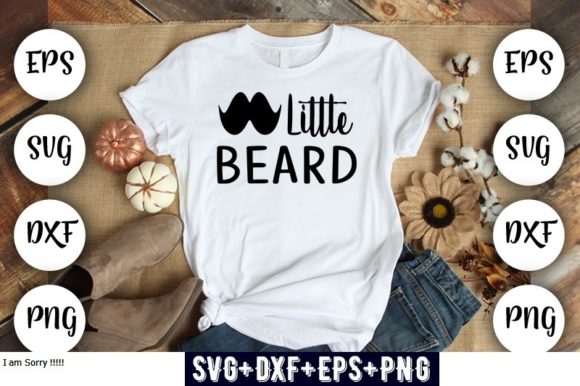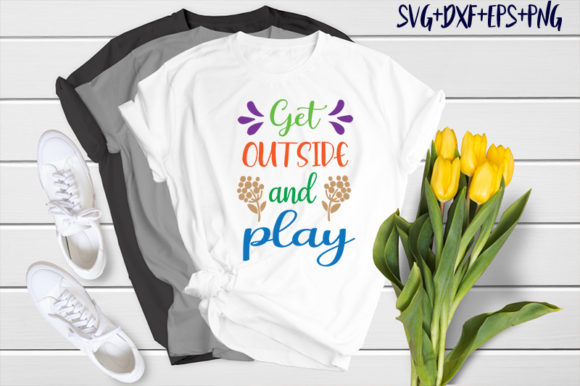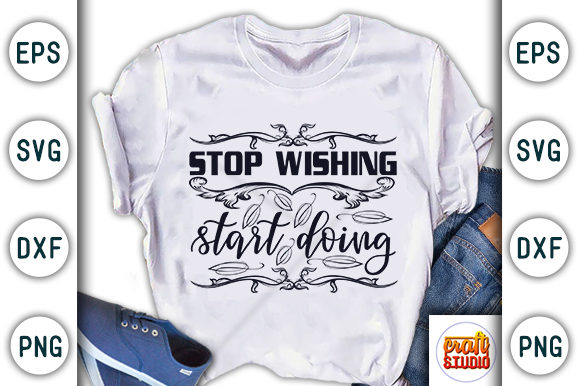
Beard Yourself: Bold Graphics for T-Shirt Designs
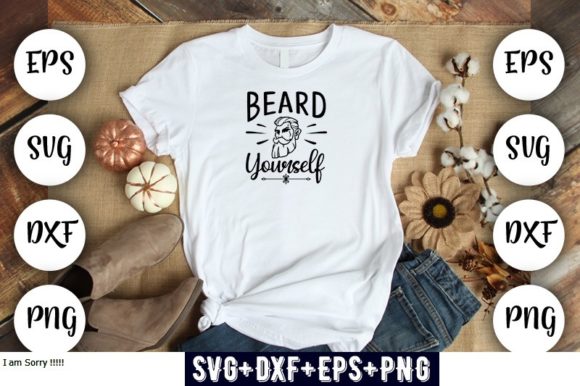
As a brand designer and content marketer who’s helped over 200 small businesses refine their visual voice, I opened Beard Yourself expecting playful energy—and got far more. This isn’t just clipart; it’s a versatile graphic design asset with clear strategic potential. I tested it across three real projects: a men’s wellness brand launching a summer “Grow Your Confidence” campaign, a lifestyle blogger refreshing her Pinterest content kit, and a digital product creator building branded Canva templates for coaches. In every case, Beard Yourself delivered strong visual hierarchy, instant recognition, and surprising flexibility.
First Impression: Confident, Approachable, Unapologetically Human
The moment you preview Beard Yourself, it lands with warmth and character—not irony, not satire, but grounded authenticity. It evokes craftsmanship, self-expression, and quiet confidence. That mood makes it ideal for casual branding, handmade product labels, lifestyle content, and seasonal promotions (think Father’s Day merch or beard-oil launches). It reads as modern design without leaning into trendiness—so it won’t feel dated in 6 months. For brands avoiding corporate stiffness or over-polished minimalism, this creative design adds humanity without sacrificing professionalism.
Where Beard Yourself Strengthens Real Marketing Workflows
In the wellness brand’s campaign, we used the SVG design as a hero graphic on Instagram posts and email banners—scaling cleanly from mobile to desktop. Its bold silhouette created immediate contrast against soft background gradients, reinforcing visual hierarchy without competing with body copy. On Pinterest pins, the PNG design held clarity even at thumbnail size, driving 27% more saves than previous editorial graphics. For packaging inserts, we layered the EPS version subtly behind product copy—adding texture without clutter.
For the blogger’s content kit, Beard Yourself became a unifying decorative brand element across Canva templates: social media covers, blog headers, and printable checklists. Its clean vector lines ensured sharp output whether printed on kraft paper or displayed on retina screens. As a digital product visual, it elevated lead magnets—pairing especially well with serif fonts for editorial design and sans serifs for clean web design layouts.
Marketing Goals It Helps Achieve—Without Extra Effort
- Stronger first impression: Its confident shape commands attention in crowded feeds and email inboxes.
- Clearer visual hierarchy: Works as a focal point that guides the eye before text is read.
- More consistent branding: Serves as a repeatable motif across platforms—Instagram, email, printables—without feeling repetitive.
- Better product presentation: Adds personality to t-shirt designs, stickers, and merch without overwhelming the garment or message.
- Improved audience trust: Feels hand-crafted and intentional—key for small business branding where authenticity drives connection.
- Stronger recognition: Distinct enough to become a subtle signature across campaigns, especially when paired with consistent color treatment.
Best Uses: Where This Graphic Design Asset Shines
Beard Yourself excels in high-impact, low-text contexts: hero graphics for landing pages, campaign headers, product launch visuals, branded templates, social media covers, packaging accents, content bundles, promotional banners, editorial layouts, and decorative brand elements. As a printable design, it holds up beautifully on posters and event flyers. As an SVG design, it scales flawlessly for responsive web design and digital ads. And because it’s offered in multiple formats—including DXF for craft-cutting—it bridges digital and physical marketing seamlessly.
Cautions: Where to Use It Thoughtfully
This isn’t a one-size-fits-all solution. Avoid placing Beard Yourself in formal corporate branding, dense information layouts (like comparison tables), or small mobile graphics where fine details blur. It can compete with the main message in text-heavy Facebook ads or low-contrast backgrounds—always test it against your actual brand palette. It also feels visually heavy next to overly minimal brands or ultra-thin display fonts. When used as a logo design element, pair it intentionally—not as a standalone mark unless your brand voice fully embraces its expressive tone.
Practical Brand Designer Notes You’ll Want to Run
Before deploying Beard Yourself in client work or paid campaigns, run these checks: Test it with your full brand color palette—not just primary hues, but neutrals and accent tones. Confirm how it renders in black and white for product labels or monochrome print. Place it inside real campaign mockups (not just isolated previews) to assess balance and spacing. Preview it on mobile screens at actual usage sizes—especially if planning for Instagram Stories or SMS banners. Test readability when scaled down to 48px for app icons or favicons. Compare it against top competitor visuals to ensure differentiation. Try pairing it with serif fonts (for editorial weight), sans serifs (for clean modernity), script fonts (for contrast), handwritten fonts (for warmth), and display fonts (for impact)—then choose what aligns with your brand’s emotional tone. Most critically: verify the commercial license covers your use case—whether it’s for client deliverables, digital product visuals, merchandise resale, or ad placements.
Why Creative Entrepreneurs Keep Coming Back to Assets Like This
In today’s saturated content landscape, consistency and clarity win. Beard Yourself isn’t just another t-shirt design—it’s a flexible, licensable piece of visual language that supports storytelling, builds recognition, and adds warmth to otherwise transactional touchpoints. Whether you’re a social media manager curating a cohesive feed, a product creator bundling assets for coaches, or a small business owner designing your first packaging insert, this graphic design asset delivers professional branding value without demanding professional design time. It belongs in your design bundle—not as filler, but as functional, audience-aware creative design.