Xoxo Y All SVG, Valentine SVG
A Designer’s First Glance: Sweet, Simple, and Ready for Stitching
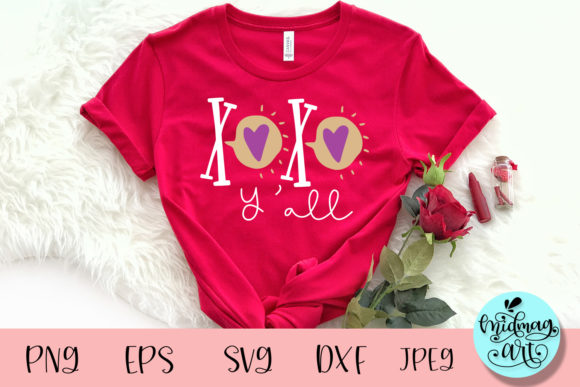
Opening the Xoxo Y all Svg, Valentine Svg zip file feels like untying a small, thoughtful gift—no fluff, no extra layers, just one clean SVG and one DXF. As someone who tests dozens of digital embroidery files each month for client work and small-batch production, I immediately scanned the shape: soft curves, balanced negative space, and that unmistakable “XOXO” rhythm paired with a gentle “Y” that leans into the heart-shaped vibe without spelling it out. It’s not cutesy or cluttered—it breathes. That matters. When you’re stitching on a linen tea towel or a baby onesie, simplicity translates to clarity in thread, confidence in execution, and quiet charm in the finished product.
Where This Design Truly Shines
I recently prepped a set of custom embroidered tote bags for a local boutique’s Valentine’s Day pop-up—and Xoxo Y all Svg, Valentine Svg was my go-to for the smaller front-pocket accent. Why? Because it lands perfectly at 3.2" wide: large enough to read clearly on cotton canvas, small enough to avoid overwhelming the bag’s clean lines. It stitched cleanly on medium-weight twill with tear-away stabilizer and standard 40-weight polyester thread. No skipped stitches, no puckering. That same file worked equally well as a subtle chest emblem on a charcoal crewneck sweatshirt—especially when paired with a muted rose thread. It also translated beautifully onto a patch blank: clean satin stitch edges, minimal fill stitch density, and zero bleeding into the border. For Etsy sellers listing handmade apparel or personalized gifts, this is the kind of design that supports your brand voice—not overshadows it.
Real-World Fit Across Common Embroidery Projects
- Tote bag design: Ideal for side panels or bottom corners—adds warmth without competing with bolder graphics.
- Sweatshirt embroidery: Works best on smooth-knit fabric (not fleece interiors); place it over the left chest for balanced visual weight.
- Baby embroidery: Gentle scale and rounded forms make it safe for onesies and burp cloths—just confirm your machine handles fine lettering before stitching on 100% cotton interlock.
- Embroidered patch: Clean vector edges mean crisp heat-transfer or sew-on results; pair with a matching merrowed border for boutique-level polish.
- Holiday embroidery & personalized gifts: Stitches quickly, reads warmly at arm’s length, and avoids dated clichés—making it shelf-ready for February through early March.
Where to Pause—and Test First
This isn’t a “set-and-forget” file for every surface. On textured fabrics like terry cloth towels or bouclé knit caps, the delicate curve of the “Y” can blur slightly—so always run a test on scrap fabric with the exact stabilizer and hoop size you’ll use. Stretchy fabrics (think lightweight jersey tees) need cut-away backing and slower machine speed; otherwise, the XOXO rhythm can distort under tension. And while the design is compact, avoid placing it near seams, curved brims, or deep pockets—those areas shift during hooping and stitching, and fine details like the inner loop of the “O” may compress or skew. If you’re using it on dark fabric, stick with high-contrast thread (ivory, blush, or true red)—avoid pastel pinks that fade into charcoal or navy.
What It Adds to Your Handmade Product—and What It Doesn’t
Xoxo Y all Svg, Valentine Svg doesn’t scream. It smiles. That’s its strength—and its limitation. It won’t carry a full branding campaign alone, but it elevates a handmade product by adding sincerity, cohesion, and quiet craftsmanship. Customers notice when lettering is evenly spaced and curves are smooth—not because they’re designers, but because it *feels* intentional. For craft business owners, that builds trust. For Etsy sellers, it improves perceived value without raising price points. And for small shop owners curating holiday merchandise, it offers versatility: use it solo on a pillow cover, layer it beneath a monogram on an apron, or mirror it across a kitchen towel set. Just remember—it’s a graphics file, not an applique design or multi-step embroidery file. What you see in the SVG is what you’ll stitch: one cohesive shape, no built-in shadows or gradients.
Practical Notes Every Embroidery Designer Should Check
- Test the design on scrap fabric first—especially if stitching on baby items or layered garments.
- Review stitch density in your embroidery software; adjust if needed for thin fabric or high-wear items like tote straps.
- Confirm hoop size compatibility—this design fits comfortably in a 4x4 hoop, but verify alignment if using larger frames.
- Inspect small details at 200% zoom: the junctions between “X” arms and the tail of the “Y” should be crisp, not jagged.
- Try black-and-white mockups to assess contrast on light vs. dark backgrounds before committing to thread colors.
- Use appropriate stabilizer—tear-away for stable wovens, cut-away for knits, and water-soluble for delicate surfaces like silk-blend pillow covers.
- Verify licensing terms before selling finished products or bundling the file with other digital embroidery files—this is especially critical for commercial embroidery and digital product sellers.
Final Thought: A Quietly Confident Choice
In a market flooded with overdesigned, overly complex Valentine’s motifs, Xoxo Y all Svg, Valentine Svg stands out by doing less—and doing it well. It’s not flashy, but it’s reliable. Not trendy, but timeless enough for repeat use across seasons. Whether you're stitching a single personalized gift or producing 50 embroidered patches for a small shop launch, this file respects your time, your machine, and your customer’s eye. It belongs in the toolkit of any designer who values clarity over clutter—and who knows that sometimes, the most meaningful message is the one that fits neatly inside a 4x4 hoop.